


Precise laboratory analytics for energetic materials, secondary explosives, additives, and plasticizers. Standardized determination of sensitivities and thermal stabilities for industry, defense, and research.
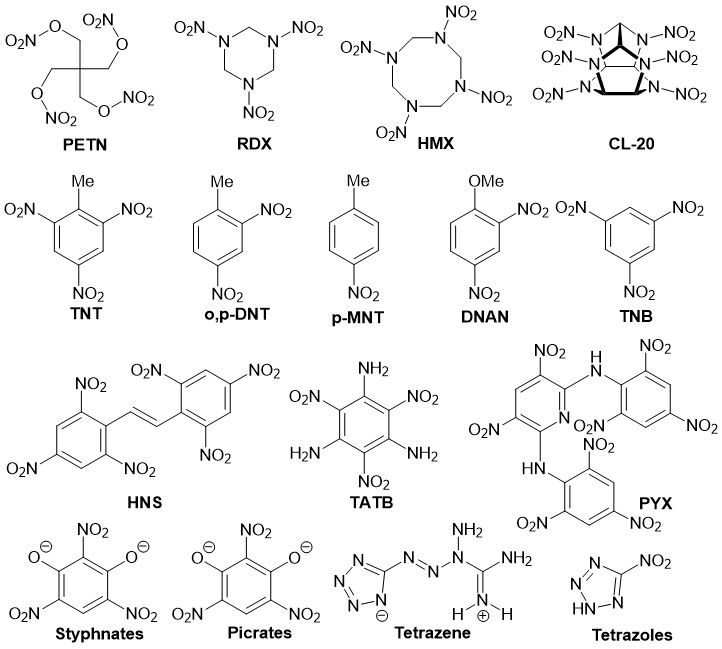
Chemical purity dictates sensitivity and safety against external stimuli. Unidentified impurities can cause catastrophic risks. We identify and quantify primary and secondary explosives as well as complex igniters and propellant formulations.
One of the most widely utilized military secondary explosives. Used in boosters, detonating cords, and composite warheads. We analyze purity, particle size distribution, and impurities with high resolution.
High-performance secondary explosive featuring extreme detonation velocity and high crystal density. Our chromatographic methods reliably separate and quantify RDX and HMX.
The standard melt-castable energetic compound in military and civil munitions. We evaluate isomers, melting behavior, degradation products, and long-term stabilities.
Highly sensitive nitrate ester for detonators and detonating cords. Precise testing regarding thermal decomposition, chemical purity, and residual solvent content.
Frequently encountered in historical inventories, schools, and pharmacies. We determine purity, picrate formation, and water content to assess transport and handling safety.
Polymer-bonded explosives (PBX), propellants, igniter mixtures, and environmental or soil samples involving complex energetic contamination matrices.
Our testing laboratory employs state-of-the-art instrumental techniques ensuring reproducible, court-proof, and highly precise analytical outcomes.
High-Performance Liquid Chromatography with Diode Array Detection for the mild separation and quantification of thermolabile explosives and stabilizers.
Gas chromatography-mass spectrometry for the trace identification of volatile residual solvents, tagging agents (DMNB), and plasticizers down to sub-ppm levels.
Precise qualitative and quantitative ionic analysis (nitrates, nitrites, chlorates, perchlorates, azides, sulfates, halides) using advanced Metrohm IC systems for energetic salts and oxidizers.
Non-destructive material and functional group identification via laboratory FTIR, high-resolution Bruker Raman, and the portable FirstDefender handheld Raman for fast, safe screening through transparent containers.
UV-Visible absorption and transmission spectroscopy for photometric concentration assays of chromophores, dyes, stabilizer depletion, and optical kinetics.
High-resolution 1D & 2D multinuclear NMR (1H, 13C, 14N, 15N, 19F, and all other active heteronuclei) along with quantitative Q-NMR for certified purity assays and isomer discrimination.
Single-crystal X-ray diffraction (SC-XRD) for definitive 3D crystal and molecular structure determination, alongside powder X-ray diffraction (PXRD) for polymorph identification and phase purity.
Comprehensive powder morphology and surface profiling: surface profilometer (roughness & topography), scanning electron microscopy with EDX (SEM/EDX), laser diffraction, DLS, and BET surface area/porosity.
Standardized mechanical, electrostatic, and thermal hazard evaluation: BAM fall hammer (impact), BAM friction apparatus, ESD spark discharge (OZM XSparc), OZM ball drop test, and Koenen steel tube test.
Ultra-trace and bulk composition assays for metallic fuels and energetic compositions using ICP-MS / ICP-OES, Atomic Absorption Spectroscopy (AAS), EDX, and CHNO-S combustion elemental analysis.
Differential Scanning Calorimetry (DSC), Differential Thermal Analysis (DTA), and Thermogravimetric Analysis (TGA) for decomposition onsets, energetic phase transitions, and thermal kinetics.
Coulometric moisture determination down to trace ppm levels, pH/acidity profiling, sulfated ash analysis, and inorganic chloride assays.
Nearly all modern explosives are engineered composite mixtures. Additives control processability, mechanical elasticity, chemical shelf-life, and mandatory detectability.
In gun propellants and PBX formulations, energetic plasticizers (such as nitroglycerin, BTTN, or DEGDN) as well as inert phthalates, adipates (DOA), and sebacates (DOS) are employed.
They prevent low-temperature embrittlement and ensure uniform burning rates. We verify concentration, plasticizer migration, and chemical aging stability.
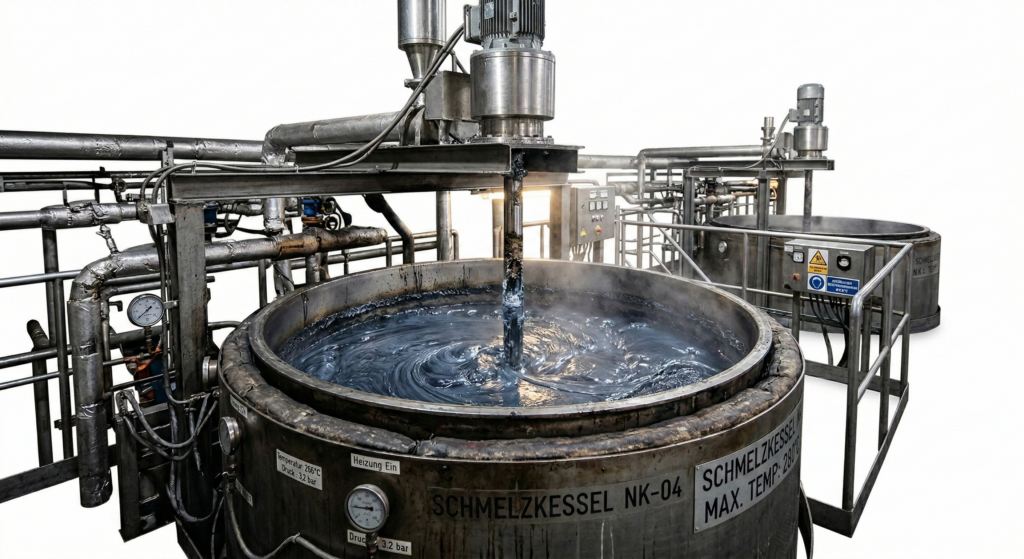
In compliance with international counter-terrorism standards (ICAO and Montreal Convention), plastic explosives must contain volatile detection marking agents (e.g., DMNB).
These substances generate a distinctive vapor signature detectable by K9 units and IMS vapor detectors. We provide high-precision quantitative gas chromatographic analysis.
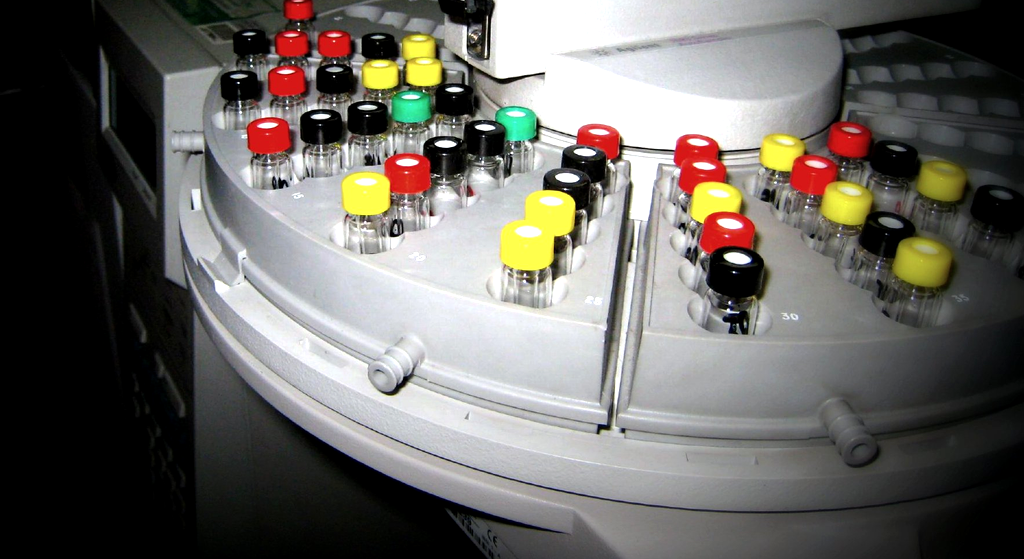
Metallic fuels (aluminum, magnesium, boron, titanium) are added to explosives and propellants to substantially increase blast overpressure, fireball temperature, and total impulse.
We analyze metal content, particle size morphology, surface oxidation layers, and active metal ratios determining ignition kinetics and binder compatibility.

Accurate quantitative assessment of sensitivity to impact, friction, electrostatic discharge, and thermal stimuli is mandatory for UN hazard classification, transport, and safe handling.
The BAM Fall Hammer determines the minimum impact energy in Joules [J] required to initiate detonation, deflagration, or sparking of a defined sample mass.
Testing is indispensable for UN transport classification (Series 3/4) and hazard grouping under ADR, RID, and the Explosives Act.
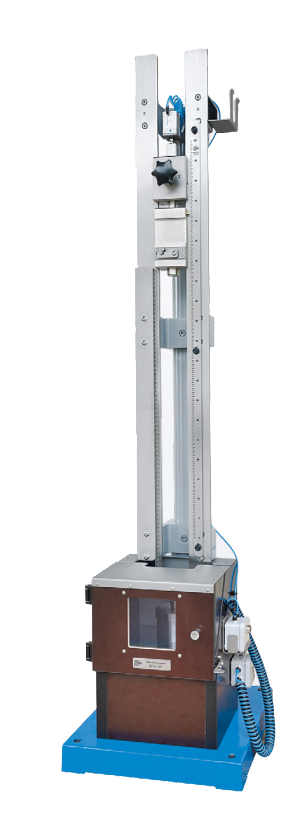
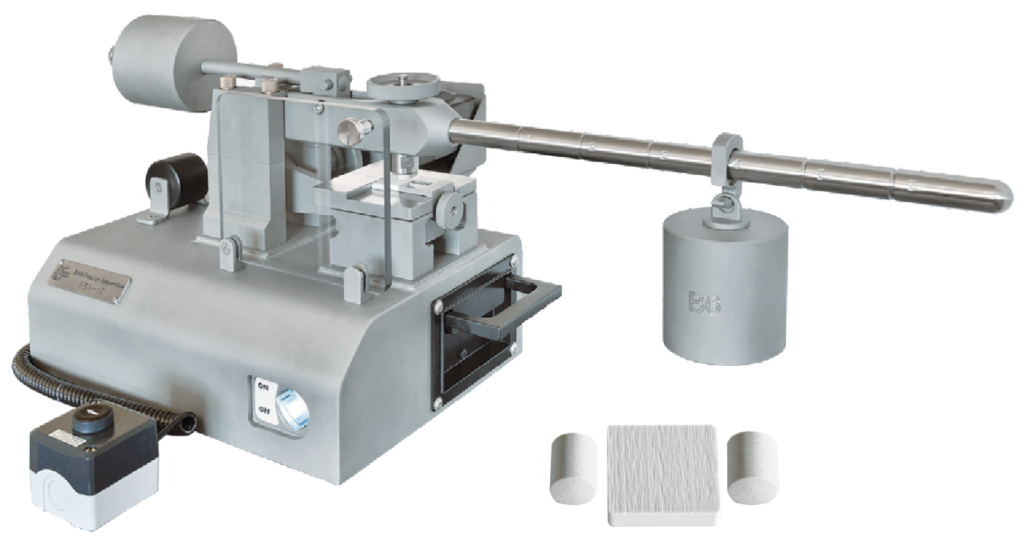
The BAM Friction Apparatus determines the friction force in Newtons [N] exerted between a ceramic peg and porcelain plate that causes reaction or decomposition.
This simulates mechanical shear and friction hazards occurring during mixing, pressing, loading, or mechanical transport in manufacturing.
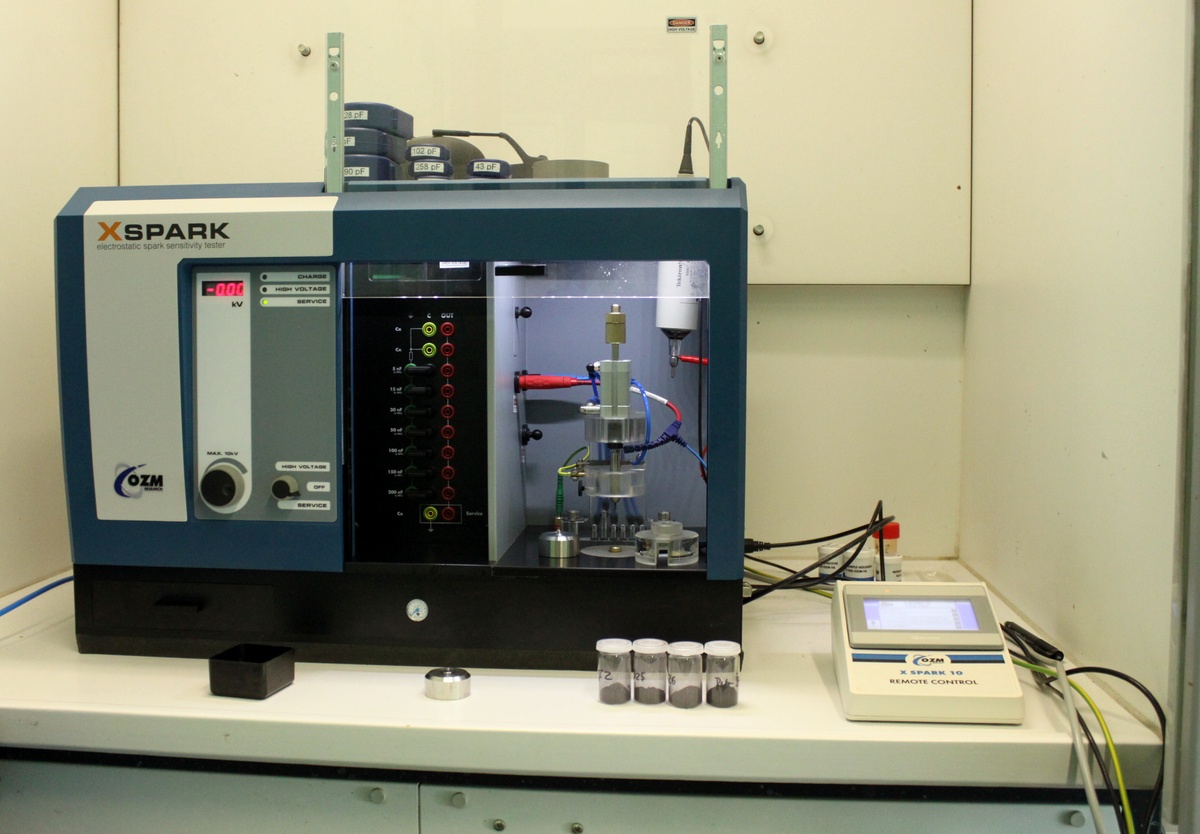
Electrostatic charges on personnel or processing vessels can discharge unpredictably. Our ESD test apparatus determines the minimum ignition energy in millijoules [mJ].
Particularly primary explosives, fine pyrotechnic powders, and igniters require exact threshold testing to design effective grounding and conductive clothing requirements.
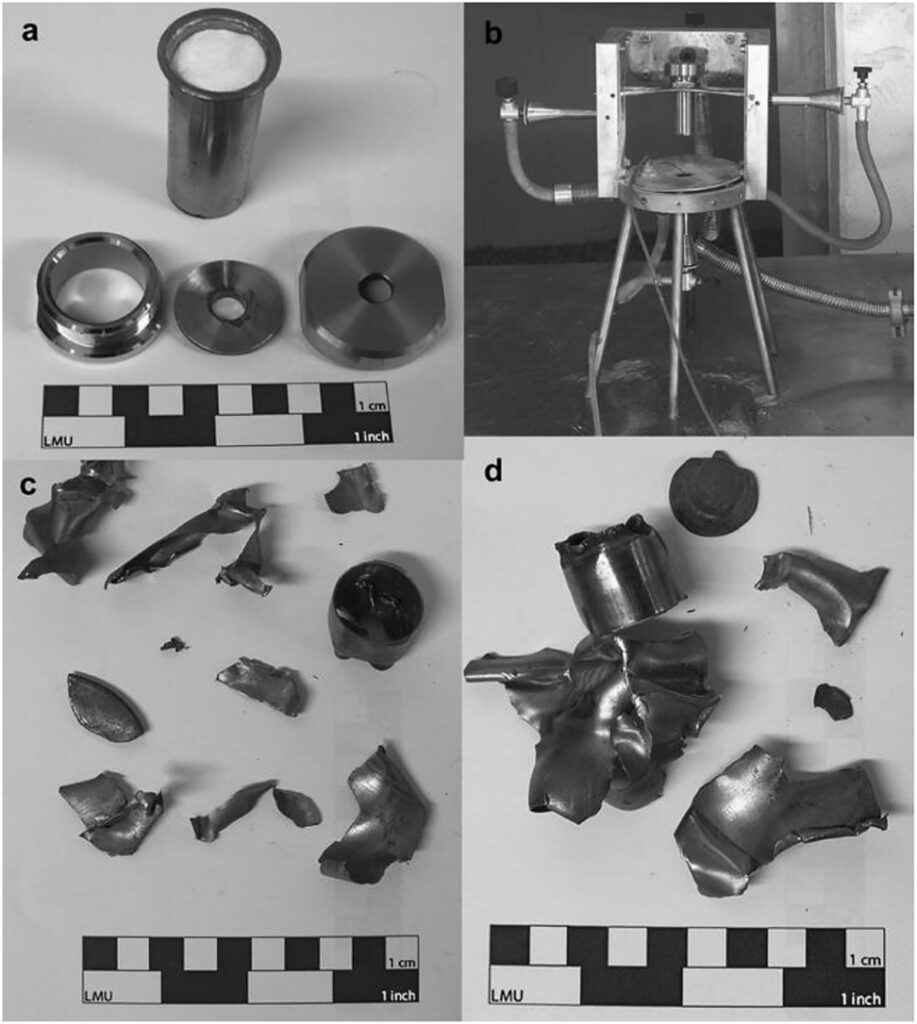
The Koenen test evaluates the thermal response and confinement explosion hazard of an energetic substance subjected to intense heating within a standard steel tube.
Employing orifice plates with nozzle apertures from 1.0 mm to 20.0 mm, the limiting diameter is determined at which rupture or explosion occurs (UN Test Series 1, 2, and 8).
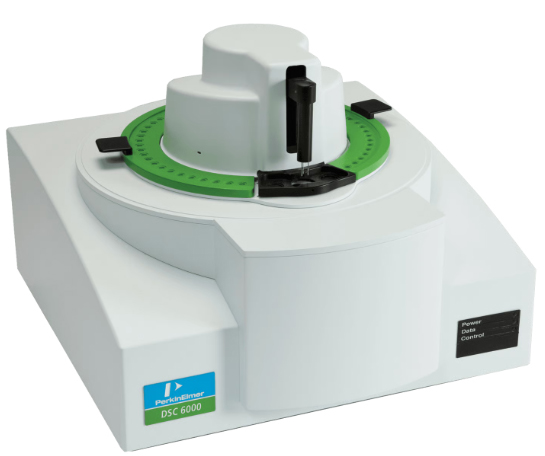
Differential Scanning Calorimetry (DSC) and Thermogravimetric Analysis (TGA) quantify melting points, glass transitions, onset decomposition temperatures, and reaction enthalpies.
Using kinetic models (Ozawa / Kissinger methods), we calculate activation energies, critical runaway temperatures, and long-term shelf-life predictions.
Analyzing energetic materials requires decades of specialized expertise, deep chemical knowledge, and uncompromised safety standards.




Recent advances in analytical testing protocols, regulatory updates, and technical publications.
EMTO GmbH has further expanded its testing spectrum for standardized sensitivity and stability analyses of energetic materials.
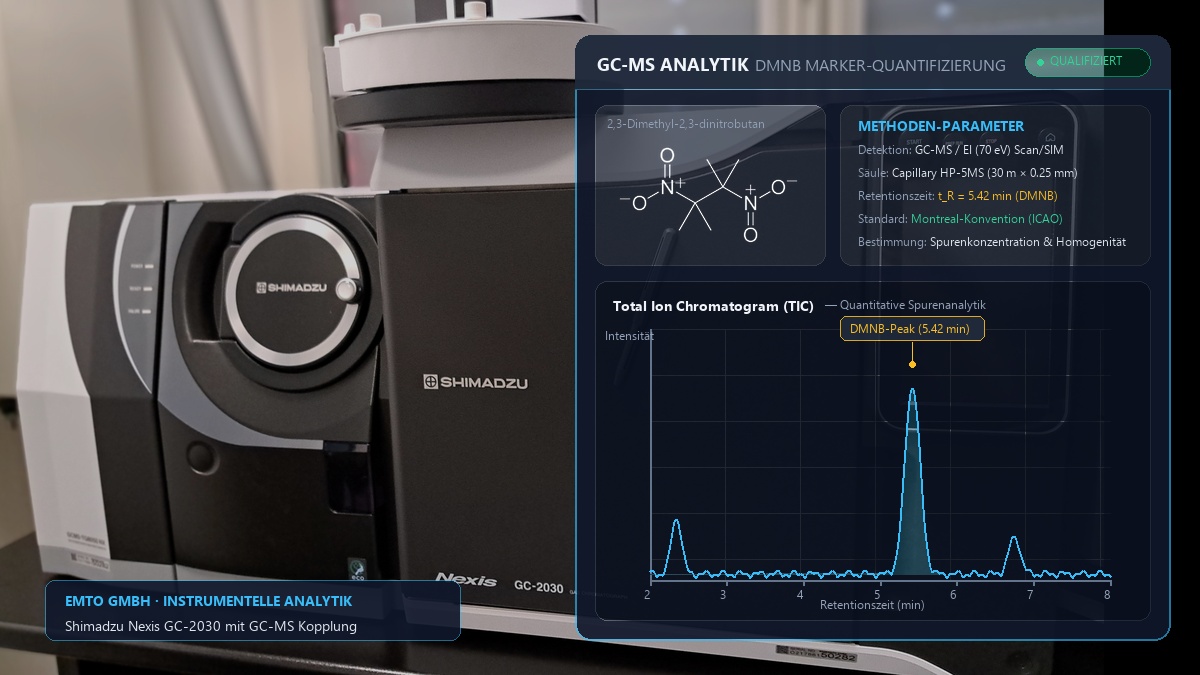
Rapid quantitative determination of detection and odorant markers in plastic explosives pursuant to the ICAO/Montreal Convention.
Important details regarding sample transport, regulatory licensing, and laboratory turnaround times.
Contact our laboratory team. We are pleased to provide individual technical consultation and prepare a non-binding quotation tailored to your testing scope.
Testing laboratory for explosives and energetic materials. Licensed pursuant to Section 7 of the German Explosives Act (SprengG).